
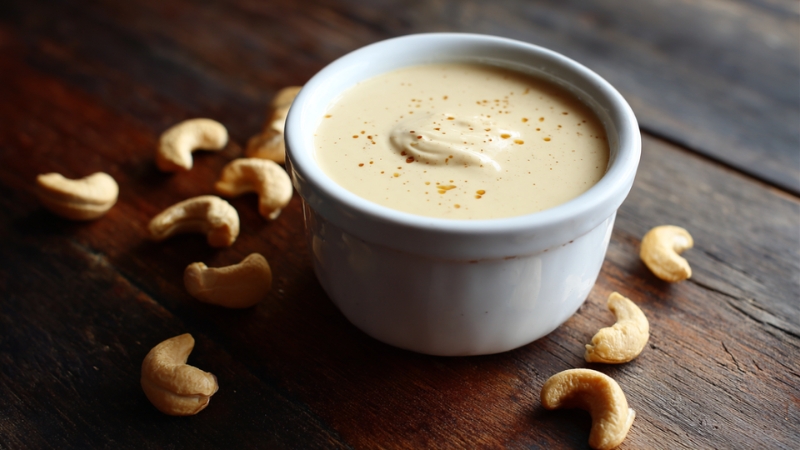
A good cashew sauce can change a kitchen routine in a quiet but real way. One batch creates a base for several meals. Pasta feels richer. Grain bowls feel more structured.
Vegetables feel like they finally have someone cheering for them from the sidelines.
When the texture turns out silky, and the flavor lands somewhere between comfort and restraint, you know the ratio and technique are on the right track.
Cashews behave predictably once you learn how they absorb water and break down under strong blades. They hold fat, they soften quickly, and they create a mild backdrop.
That mixture sets the stage for a wide range of flavors, from bright lemon notes to deeper garlic or yeast-driven tones.
The goal here is simple. Set up a method that works every time, no matter the topping or base you plan to serve. The details do not require chef-level training.
They do require attention to soaking time, blender speed, and seasoning balance.
Core Recipe
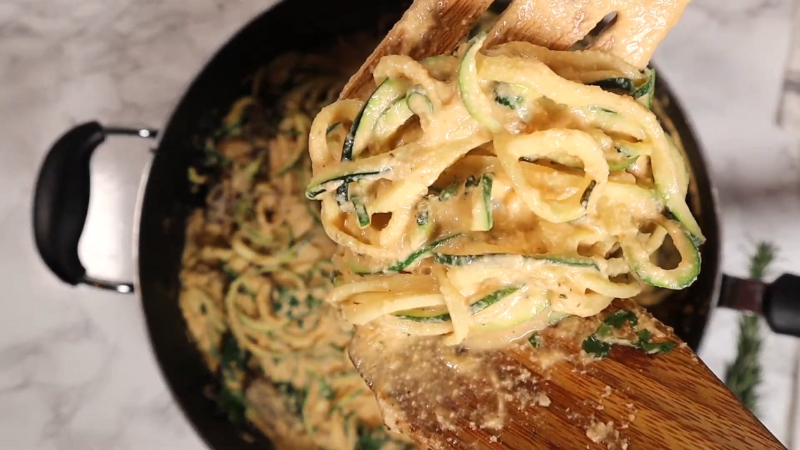
Silky Cashew Sauce
Equipment
- Bowl for soaking cashews
- Blender high-speed preferred, but standard works
- Small saucepan optional, for warming
- Silicone spatula for scraping sauce
- Digital scale optional, for precision
Ingredients
- 1 cup raw cashews, soaked
- 1 cup water or unsweetened plant milk plus more for thinning if needed
- 2 tbsp lemon juice freshly squeezed
- 1 small garlic clove
- 1 tbsp nutritional yeast
- ½ tsp onion powder
- ½ tsp fine sea salt
- 1 tsp olive oil optional, adds richness
Instructions
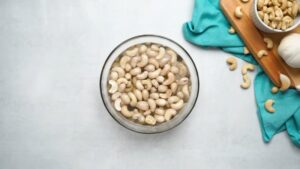
- Soak the CashewsOption A (Best): Soak raw cashews in cold water, cover, and refrigerate for 8–12 hours.Option B (Quick): Pour boiling water over cashews and soak for 20–30 minutes.Option C (Fastest): Simmer cashews in a small pot of water for 10 minutes.Drain and rinse before using.
- Blend the SaucePlace soaked cashews in a blender.Add water (or plant milk), lemon juice, garlic, nutritional yeast, onion powder, salt, and olive oil (if using).Blend on high speed for 45–60 seconds. Scrape down the sides.

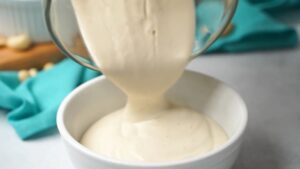
- Refine TextureBlend again until silky smooth. Add more liquid 1 tablespoon at a time if too thick.For a warm sauce, transfer to a saucepan and heat gently over low, stirring constantly.

- Taste & AdjustAdd more salt, lemon, or garlic to taste. Thin or thicken as needed with liquid or cashews.
Video
Notes
Cooking Tips
- For maximum smoothness, always soak cashews well and use a strong blender.
- Start with less liquid and thin gradually - small changes have a big impact.
- Don’t overblend without pauses; excess heat can dull the flavor.
- Stir in warm water if the sauce thickens after refrigerating.
How To Pair the Sauce With Pasta
View this post on Instagram
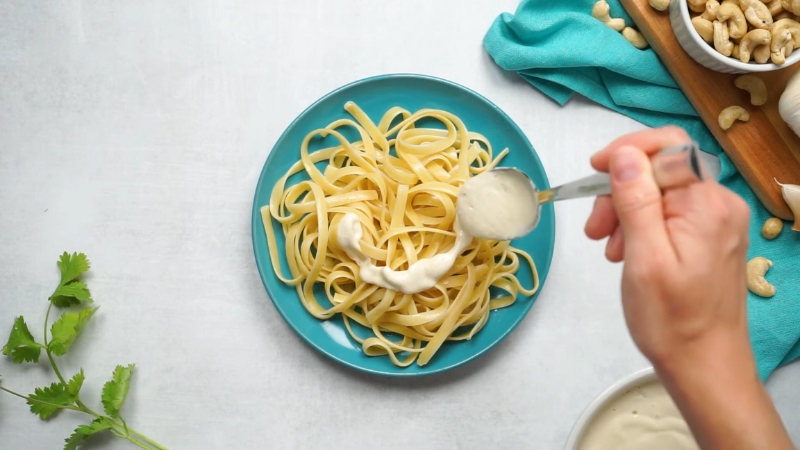
Cashew sauce clings well to shapes with grooves or curves. Rigatoni, fusilli, cavatappi, farfalle, and shells all hold the sauce without leaving pools at the bottom of the bowl.
When serving pasta:
The starch in the pasta water helps bind the sauce. It also loosens the texture without watering it down.
Vegetable add-ins that match well include sautéed mushrooms, wilted spinach, roasted broccoli, blistered tomatoes, grilled zucchini, or caramelized onions. The sauce behaves like a neutral canvas for anything savory.
How To Use the Sauce in Grain Bowls
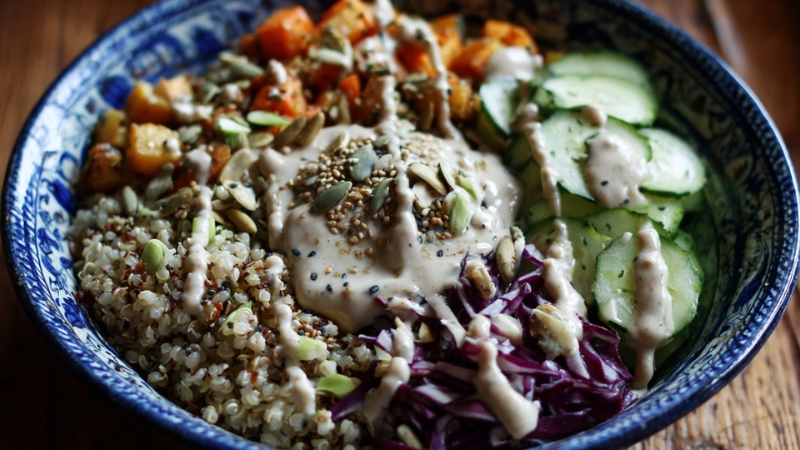
Bowls benefit from a sauce that balances several components at once. Cashew sauce coats grains without overpowering them.
Base Grains That Work Well
Add vegetables or proteins that carry some char or roast. That contrast in texture helps the sauce shine.
Reliable Combinations
- Quinoa with roasted sweet potatoes, kale, and crispy chickpeas
- Farro with sautéed mushrooms, shaved carrots, and tofu
- Brown rice with steamed broccoli, marinated tempeh, and sesame seeds
A small drizzle goes a long way. If the sauce thickens in the refrigerator, stir in a splash of water before serving.
For meal prep diaries or digital recipe cards, an AI checker keeps the language tidy so anyone you share them with can replicate the sauce without guesswork.
Variations That Expand Your Whole Rotation
@plantyou Replying to @liv plant-based basics, cashew cream #veganuary #vegan #cashewcream #vegancream #plantbased #healthy #food #recipe #recipes #easyrecipe #veganfood #healthyrecipe #healthyliving ♬ Beat Goes On – The All Seeing I
Cashew sauce does not need to stay in one lane. Simple additions dramatically shift the profile.
Herbed Cashew Sauce
Add parsley, basil, or cilantro to the blender. Keep the liquid amount the same. Herbs brighten the sauce and help it settle into summer-themed meals.
Smoky Cashew Sauce
Add smoked paprika and a touch of tomato paste. This version pairs well with roasted potatoes, grilled vegetables, and grain bowls.
Chili Cashew Sauce
Add chili flakes, hot sauce, or a small piece of fresh chili. Balance with a little bit of maple syrup. The heat sharpens the richness without overwhelming it.
Garlic-Heavy Sauce
Blend in roasted garlic cloves. They soften the flavor and create a deeper aroma that feels right on cooler evenings.
Mushroom-Infused Sauce
Simmer dried mushrooms in hot water, use that liquid for blending, and add a few small pieces of the softened mushrooms. The sauce becomes earthy and savory enough for autumn pastas.
Common Mistakes and How To Avoid Them
Mistakes usually stem from rushing or skipping steps.
Not Soaking Long Enough
Raw cashews blend into cream only when fully softened. Quick soak works, but boiling water must be hot enough to penetrate the nuts completely.
Adding Too Much Lemon Too Early
Lemon plays an important role, but adding a large amount at the beginning can create a sour top note. Add less, taste, then add more.
Blending Too Long Without Pauses
Long blending warms the sauce. Heat shifts the flavor slightly. Use thirty-second intervals and scrape between rounds.
Not Salting Properly
Cashews need firm seasoning. Taste after blending and adjust more than once.
Forgetting Liquid Adjustments
Cashew sauce is extremely responsive to extra water or plant milk. Adjust slowly to avoid overshooting the texture.
Final Thoughts
Spicy Cashew Cheese Sauce 🌶️🧀
…from The Choose You Now Diet 💛✨
Spicy, creamy, packed with flavor, nutritious, and delicious and this sauce makes everything taste better. https://t.co/7sTEJBJvHC pic.twitter.com/qEEneYfzbP
— Julieanna Hever (@PlantDietitian) August 28, 2023
A creamy cashew sauce offers reliability without fuss. One cup of nuts, one cup of liquid, a few seasonings, and a blender are all you need to build a sauce that carries pasta, bowls, and vegetables with steady confidence.
Once you get the basics down, the variations come naturally and your weekly meals gain more comfort and structure with very little effort.