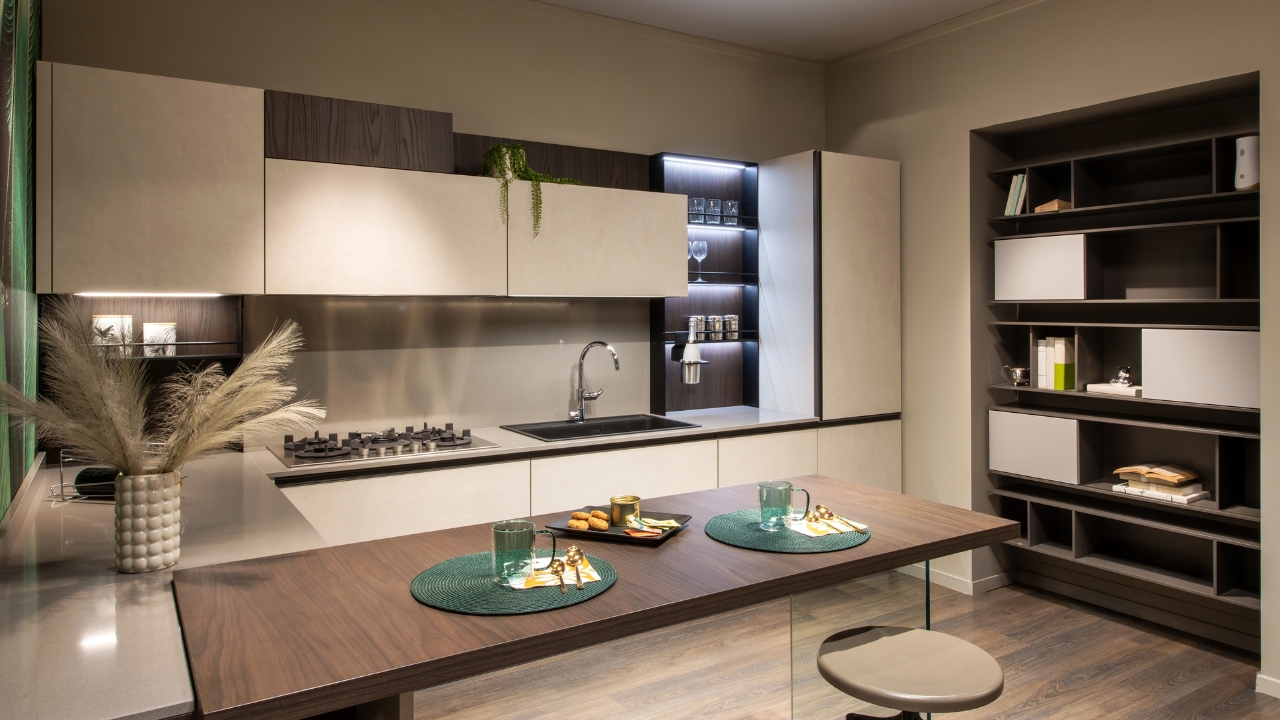
A chef-style kitchen puts function first.
Every part of the room should help you cook with less wasted movement, better organization, and more control over prep, cooking, cleanup, and plating.
Serious home cooks need more than good-looking cabinets and shiny appliances. A professional-style layout supports speed, comfort, storage, durability, and easy movement.
A strong chef-style kitchen also works well for daily meals, large family dinners, and entertaining.
Cooking should feel smooth, not crowded or stressful.
Best results come when layout decisions match how you actually cook, how many people use the kitchen, and how often guests gather nearby.
Choose Practical Appliances
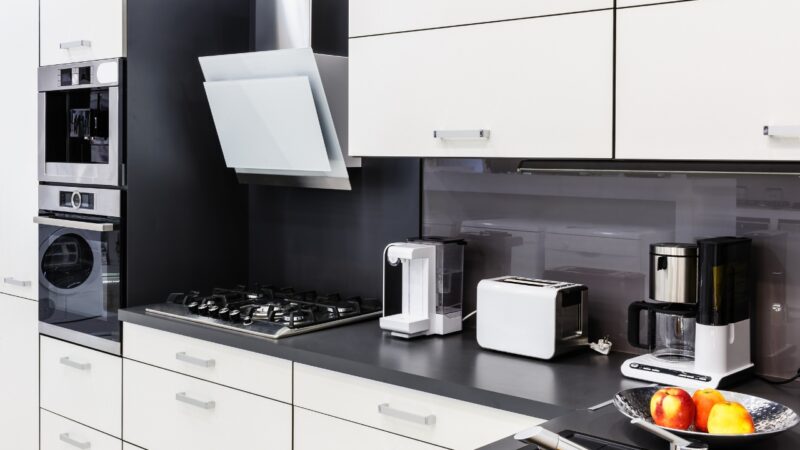
Appliance choices should match cooking habits.
A chef-style kitchen does not need every premium appliance. It needs appliances that support the way you cook most often.
Choose Appliances by Cooking Volume
Frequent cooks may benefit from a larger cooktop, double ovens, a warming drawer, built-in refrigeration, or an extra dishwasher.
A six-burner gas cooktop can help when several pans are used at once.
A dual-fuel range can offer responsive cooktop control with steady oven performance. Double-wall ovens can make holiday meals, batch cooking, and entertaining easier.
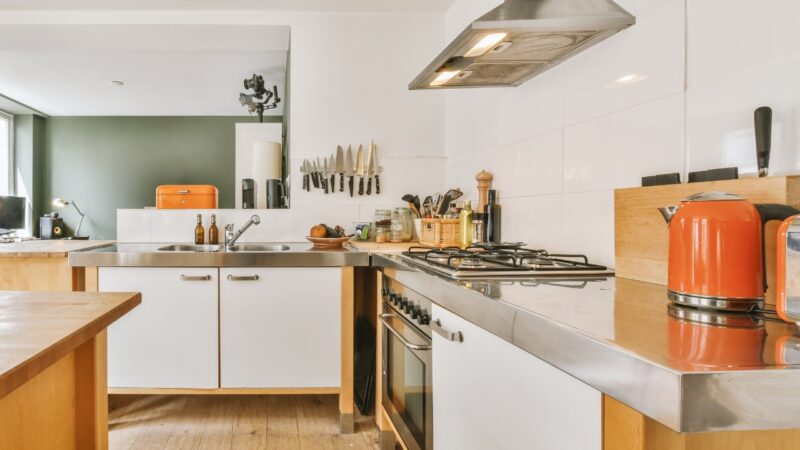
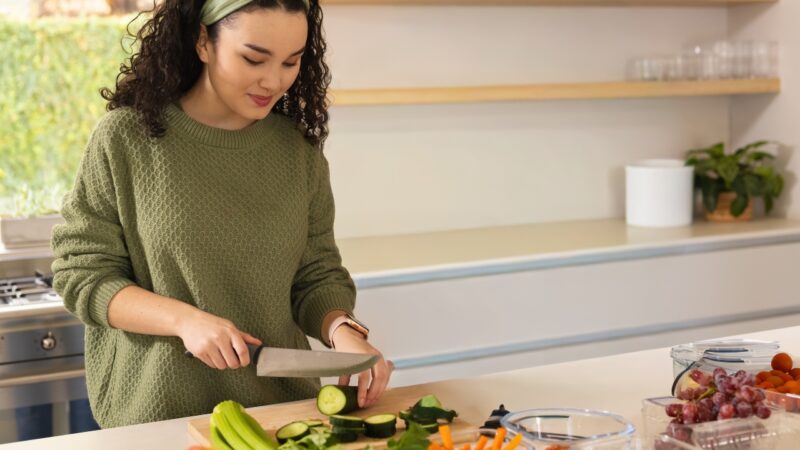
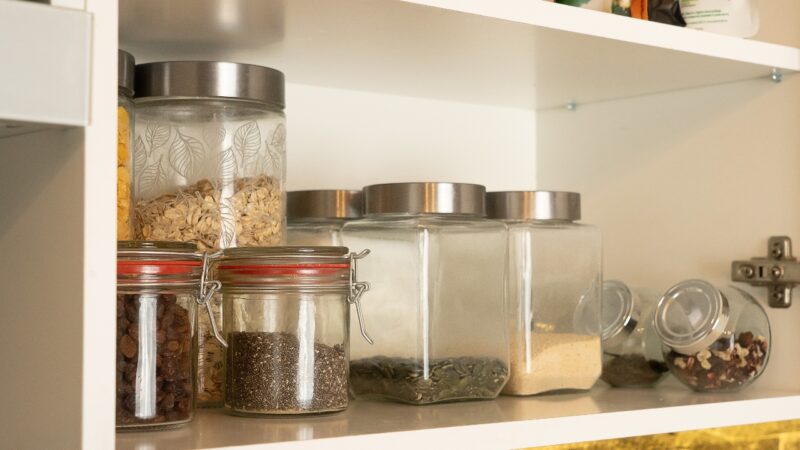
A warming drawer is useful during busy family meals or when hosting guests. It can keep finished dishes warm while other items cook. Built-in refrigerators and freezers can support more fresh-food storage and a cleaner layout. For restaurant or industrial kitchens, an undercounter refrigerator can support faster prep by keeping chilled ingredients directly below the work surface. It works especially well on a prep line, salad station, sandwich station, or plating area where cooks need quick access to refrigerated items without walking to a full-size cooler. Some chef-style kitchens include two ovens, two induction cooktops, two refrigerators placed together, and two integrated dishwashers. Not every home needs that level of equipment, but the idea is useful: appliance planning should support actual cooking volume and cleanup needs. Induction cooktops can be especially practical because they heat quickly, clean easily, and work well in kitchens where the cook interacts with guests. An island cooktop can also support entertaining when ventilation, safety, and spacing are handled properly. For a chef-style space, start with movement and workflow before choosing finishes. A galley layout is often one of the most efficient options because everything stays close and easy to reach. In a single galley, cabinets and appliances run along one side, with a clear walkway opposite. In a double galley, two parallel runs create a compact work area where prep, cooking, and cleaning zones sit only a few steps apart. An island layout can work well when extra prep space, storage, seating, or guest interaction matters. An elongated island placed parallel to a long cabinet wall can create an open-plan version of a double galley. With careful spacing, it can support prep on one side, storage below, and casual seating on another side. An open-plan kitchen is useful for people who cook while hosting, talking with family, or keeping an eye on children. Open layouts often feel brighter and more spacious, and they can make entertaining easier. Still, openness should not weaken cooking efficiency. Appliance placement, counter space, and traffic flow still need careful planning. Best layout decisions come after studying how the room is used. Live with the space before renovating when possible. A chef-style kitchen should fit real habits, not just look impressive in photos. Professional-style kitchens work best when each task has its own zone. Clear zones reduce confusion, cut down on wasted steps, and help more than one person use the kitchen comfortably. Key zones include food prep, cooking, cleaning, storage, and plating. Prep areas need counter space, cutting boards, knives, bowls, and nearby trash or compost access. Cooking areas need pots, pans, utensils, oils, spices, and heat-safe surfaces nearby. Cleaning areas need sink access, dishwasher placement, dish storage, and enough landing space for dirty items. Each zone should answer a practical question before the layout is finalized: Sink, stove, and refrigerator placement should create an efficient work triangle. A good triangle lets you pull ingredients, wash or chop them, cook them, and clean up without crossing through unnecessary traffic. Storage should support each zone. Pans belong near the cooktop. Cutting boards and knives belong near the prep counter. Plates, glasses, and flatware should sit near the dishwasher or dining area when possible. A chef-style layout feels efficient because every item has a logical home. Comfortable movement is essential in a chef-style kitchen. People should be able to cook, open drawers, load appliances, and walk through the room without bumping into cabinets, stools, or other people. Walkway space matters most in galley and island layouts. For a single galley, allow at least 1.2 meters between the cabinet run and the opposite wall. For a double galley, allow at least 1.8 meters between parallel runs so people can pass and appliance doors can open comfortably. Extra clearance helps prevent traffic jams near the dishwasher, refrigerator, oven, or island seating. Crowded walkways can make even a large kitchen feel difficult to use. Avoid placing an island where it blocks the main work triangle. A poorly placed island can force extra steps between the refrigerator, sink, and cooktop. It can also make the room feel crowded, even when the kitchen looks large on paper. Check door swings before finalizing a plan. Good movement planning means these items can open fully without blocking another major task area. Prep space is one of the most important parts of a chef-style kitchen. Cooking becomes easier when there is enough clear counter area near the sink, stove, and refrigerator. Main prep space should sit near water, trash, knives, cutting boards, and mixing bowls. Ideally, it should also have quick access to the cooktop so chopped ingredients can move straight into a pan. A clear landing area near the refrigerator also helps when unloading groceries or gathering ingredients. Smart storage makes a kitchen faster and easier to use. A chef-style kitchen should not require searching through crowded cabinets during cooking. Tools, ingredients, pans, and small appliances should be visible, reachable, and stored near their task zones. Large drawers are ideal for pots, pans, lids, mixing bowls, and small appliances. Pull-out shelves help make lower cabinets easier to access. Pull-out spice racks keep seasonings close to the cooking zone. Vertical tray dividers work well for baking sheets, cutting boards, cooling racks, and trays. Pantry cabinets with rollout shelves make ingredients easier to see and grab. When dry goods are easy to scan, meal prep becomes faster, and food waste can drop. Drawer inserts and custom compartments keep utensils, knives, measuring tools, and prep items organized. Magnetic knife strips can clear counter space and keep knives accessible. A boiling-water tap can remove the need for a kettle, which opens up more counter area. Good storage reduces clutter and keeps the kitchen ready for serious cooking. A professional chef-style kitchen is about flow first and style second. Good design makes cooking faster, cleaner, safer, and more enjoyable. Best results come when every decision supports how the cook actually uses the room. A chef-style kitchen should make prep easier, keep tools within reach, reduce clutter, and allow smooth movement through cooking, cleanup, and entertaining.
Focus on Function, Not Show
Choose the Right Layout
Layout choice shapes how efficiently a kitchen works. Even a beautiful kitchen can feel frustrating when the sink, stove, refrigerator, counters, and storage sit too far apart.Compare Layout Options by Cooking Style
Match Openness With Workflow
Plan Around Work Zones
Set Up Core Zones
Zone
Planning Question
Prep zone
Can produce be washed, chopped, and moved to the cooktop without crossing traffic?
Cooking zone
Are pans, seasonings, utensils, and heat-safe landing areas close at hand?
Cleaning zone
Can dirty dishes move to the sink and dishwasher without blocking prep?
Storage zone
Can daily items be reached without opening several cabinets?
Plating zone
Is there enough clear counter area near serving dishes and tableware?
Keep the Work Triangle Efficient
Make Movement Easy
Check Doors, Drawers, and Traffic Paths
Prioritize Prep Space
Use Smart Storage
Store Items by Task
Clear the Counters Through Better Storage
Summary