
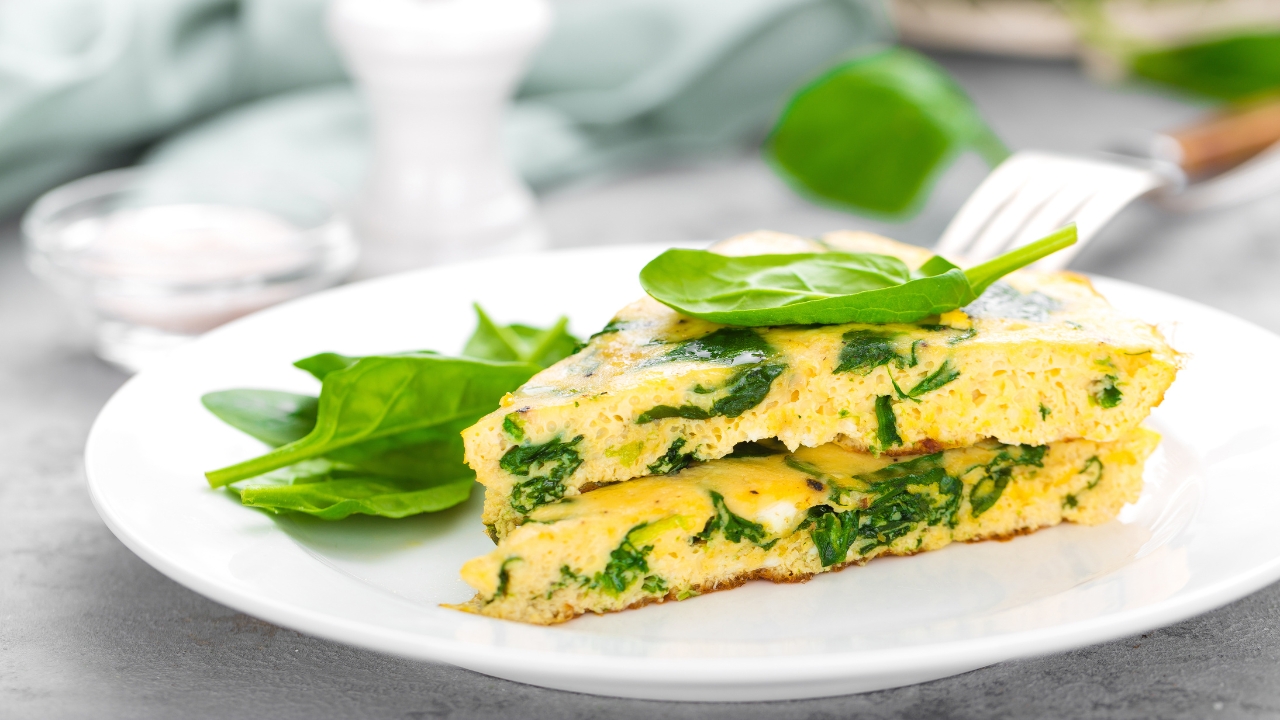
Leafy greens can be hard for children to accept because of their color, texture, or stronger flavor.
Instead of forcing plain salads, parents can add greens to meals kids already know and like.
Spinach, kale, arugula, bok choy, collard greens, Swiss chard, and field greens offer vitamin A, vitamin C, antioxidants, fiber, folate, vitamin K, magnesium, calcium, iron, and potassium.
USDA-based recommendations suggest children should get 1/2 cup to 1 1/2 cups of dark leafy greens per week.
Adult women are advised to get 1 1/2 cups per week, while adult men are advised to get 1 1/2 to 2 cups per week.
Small amounts count. A few spoonfuls added often can help kids get used to greens over time.
Start With Familiar Foods Kids Already Like
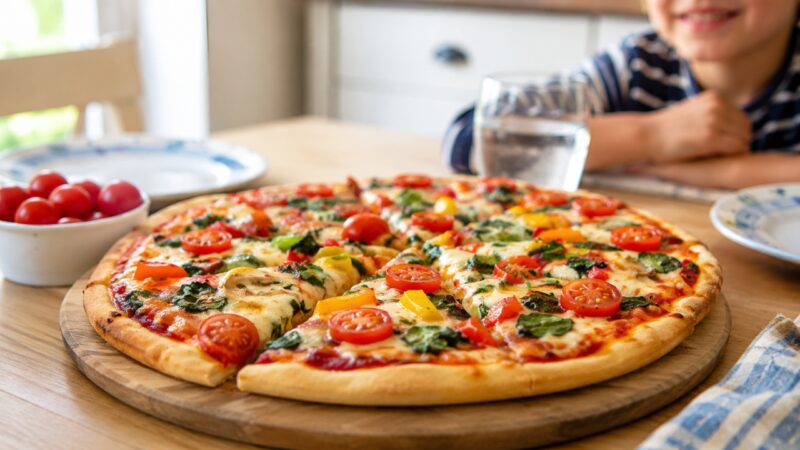
Adding greens to favorite meals is often easier than putting leafy greens on the side. Finely chopped or pureed greens can mix into familiar foods with less change in taste and texture.
Green-Boosted Spaghetti Sauce
Finely chop or puree spinach, kale, squash, onion, or mushrooms into tomato sauce or meat sauce.
Spaghetti works well because vegetables mix into the sauce easily. Sautéed squash, spinach, onion, and mushrooms can be added to meat sauce for an easy weeknight meal.
Veggie-Packed Pizza
Add finely chopped spinach to pizza sauce. Baby spinach or arugula can also go under cheese so it softens while baking.
Pizza keeps the flavor familiar while adding greens in a small amount.
Hidden-Green Burgers or Meatballs
Mix finely chopped spinach or kale into burger patties, turkey meatballs, or veggie patties. Chop greens very small so large pieces do not stand out.
Greens in Soup
Add a couple handfuls of leafy greens near the end of cooking. Spinach, kale, or Swiss chard can wilt into potato soup, chicken noodle soup, lentil soup, or other family favorites.
Spinach Omelets
Add spinach to omelets because it wilts fast. Two heaping handfuls can shrink into only a few bites. Tomatoes, mushrooms, avocado, or cheese can add flavor and color.
Mix Greens Into Smoothies, Sauces, and Dips
Pureeing greens can reduce texture issues. Spinach works especially well because it has a mild flavor.
Smoothies and sauces can also help families add more immune-supporting foods with little effort.
Parents with older kids may also want ideas on how to boost your teen’s immune system naturally using everyday foods like fruits, vegetables, whole grains, nuts, seeds, and probiotic foods.
Green color can also make smoothies, popsicles, and frozen treats feel playful.
Berry Spinach Smoothie
Mix spinach with blueberries, banana, non-dairy milk or yogurt, and pitted dates or another natural sweetener. Blueberries and banana help cover the spinach flavor.
Mango-Kale Smoothie
Use mango, banana, kale, and milk for a sweet tropical smoothie. Start with a small amount of kale because it has a stronger taste than spinach.
Spinach Pasta Sauce
Puree spinach into a creamy pasta sauce with broth, seeds, beans, or cheese.
One version uses 1 cup pumpkin seeds, 1 cup vegetable broth, 1 1/2 tablespoons white miso, 1 tablespoon nutritional yeast, and 3 ounces fresh spinach. Toss with pasta noodles.
Green Hummus or Yogurt Dip
Puree spinach or herbs into hummus, ranch-style yogurt dip, or avocado dip. Pair with pita, crackers, cucumbers, carrots, or bell pepper strips.
Bake Greens Into Kid-Friendly Breakfasts and Snacks
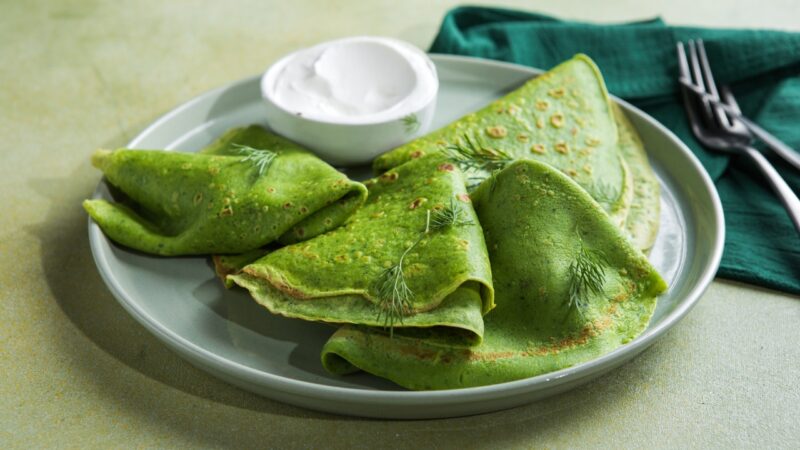
Baked foods can make greens less noticeable. Dates, bananas, and berries help balance spinach or kale.
Spinach Blueberry Mini Muffins
Puree spinach with berries and dates, then mix into oat-flour muffin batter. Use 1 cup non-dairy milk, 2 cups oat flour, 5 to 6 pitted dates, 2 1/2 cups spinach, 2 teaspoons vanilla extract, and 1 cup blueberries. Bake at 350°F for 12 to 15 minutes.
Green Pancakes
Puree spinach into pancake batter and top with fruit. Present the green color as fun, not as a health lesson.
Savory Egg or Tofu Muffins
Add finely chopped spinach to mini egg cups or tofu muffins. Use cheese, mild seasoning, tomatoes, or mushrooms for familiar flavor.
Spinach Banana Bread
Puree spinach into banana bread batter. Ripe bananas or dates add sweetness and help keep the flavor kid-friendly.
Use Fun Shapes, Colors, and Names
View this post on Instagram
Fun names and playful presentation can make greens feel less serious. Small portions, bright toppings, and hands-on meals can make kids more willing to try them.
Monster Smoothie Bowls
Use a green smoothie base with spinach, blueberries, banana, non-dairy milk, and dates. Add fruit eyes, granola hair, or banana smiles.
Dinosaur Pasta
Toss pasta with smooth spinach sauce and call it dino sauce. Keep the sauce mild and smooth.
Shrek Pancakes or Green Eggs
Use pureed spinach in pancakes or eggs for a bright green color. Keep spinach pureed or chopped very small so the flavor stays mild.
Rainbow Wraps
Use spinach tortillas with colorful vegetables, cheese, beans, or chicken. Start with mild greens, then add darker greens in small amounts later.
Add Greens as Toppings and Easy Swaps
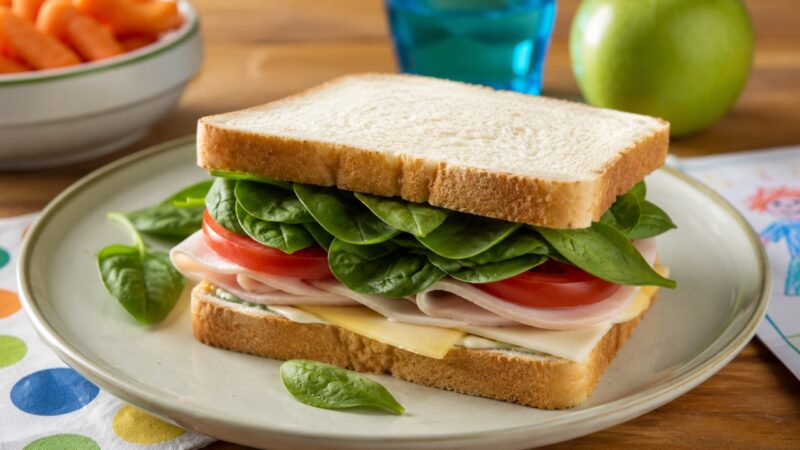
Once kids accept small amounts of greens, make them slightly more visible.
Add baby spinach to sandwiches, wraps, quesadillas, and grilled cheese. Add spinach to pizza as a topping or tuck it under cheese.
Swap romaine lettuce for darker leafy greens in tacos, wraps, or salads.
Toss small amounts of arugula or spinach into warm pasta after cooking. Use field greens with a favorite dressing as a gradual step toward salads.
Pair Greens With Dips and Finger Foods
Dips can make vegetables easier for kids to try. Kids may focus on the dip first, which can make raw vegetables feel less intimidating.
Veggie Tray With Hummus
Offer cucumbers, carrots, peppers, tomatoes, and endive leaves with hummus or light dressing. Sliced vegetables can replace chips during snack time.
Spinach-Artichoke Yogurt Dip
Make a creamy dip with chopped spinach, artichoke, yogurt, and mild seasoning. Pair with pita, crackers, or vegetables.
Mini Lettuce Boats
Fill small lettuce leaves with taco meat, beans, rice, cheese, or chicken. Lettuce boats work well for kids who like finger foods.
Closing Thoughts
@jodiedukes 🤫🤫🤫 #fyp #fypシ #foryoupage #foryou #jodiedukes ♬ original sound – Jodie | Weight Loss & Mum Life
Helping kids accept leafy greens can take time. Repeated exposure matters.
Some children may need the same food offered on different days up to a dozen or more times before they tolerate it, like it, and later request it.
Hidden greens can help at first, but gradual visibility matters too.
A small amount in sauce can lead to spinach under pizza cheese, then a few leaves in a sandwich, then a small salad with favorite dressing.
Some families may need two or three recipe trials before finding a greens-based recipe that works for a toddler.