
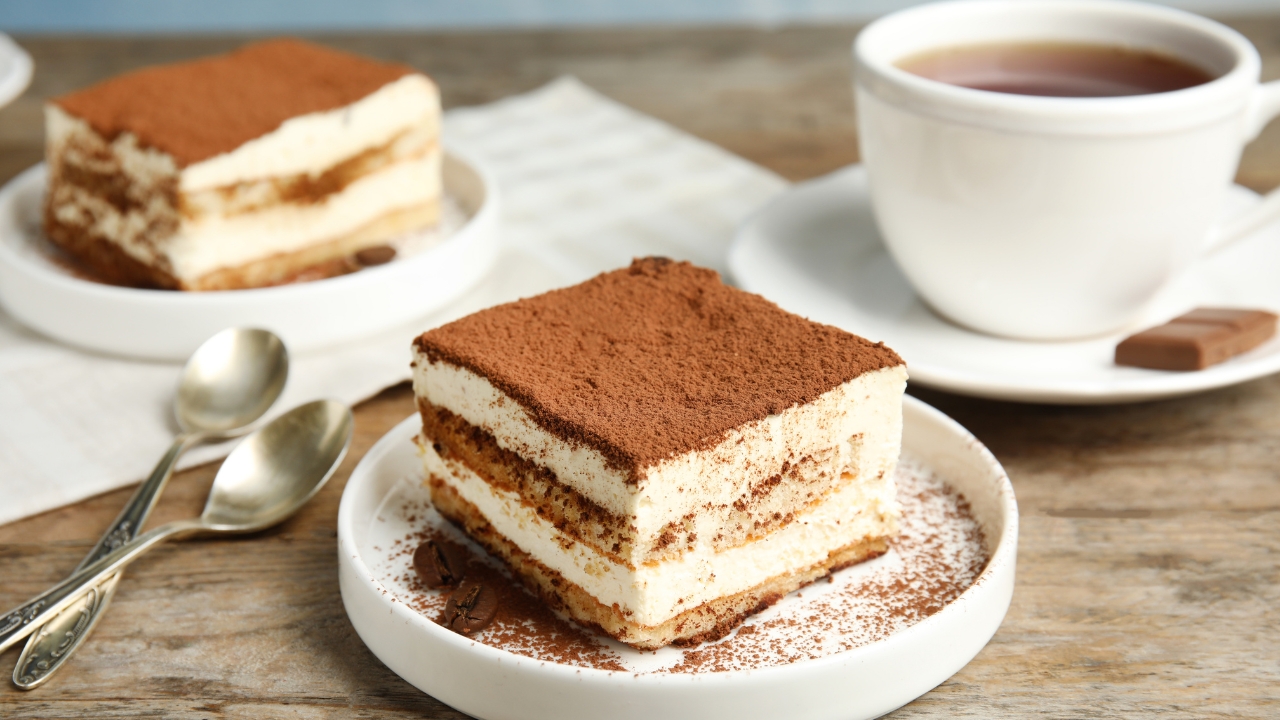
Ask people what makes tiramisu unforgettable, and most will point to the mascarpone cream. Fair answer. A silky cream matters. Cocoa matters. The quality of the ladyfingers matters too.
Still, the real secret sits lower in the structure: the liquid used to soak the biscuits.
That aromatic soak is the backbone of tiramisu. It decides whether the dessert feels balanced, deep, and elegant, or heavy, sweet, and flat. Ladyfingers are dry by design.
They need moisture, but they also need flavor. A weak soak turns them into soft fillers. A strong, well-made soak turns every layer into part of the dessert’s identity.
The same idea applies far beyond tiramisu. Chocolate layer cakes, vanilla sponge cakes, coffee cakes, birthday cakes, and celebration cakes all become better when the sponge is treated with care.
A fragrant liquid between layers can bring softness, structure, and depth without making the cake soggy.
That is where good pastry technique begins.
The Art of The Soak
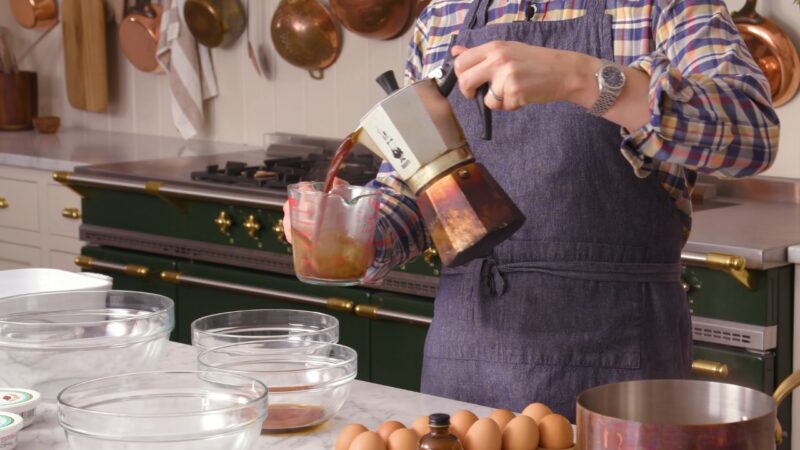
The soaking stage looks simple, but it is one of the easiest places to ruin a tiramisu.
Ladyfingers absorb liquid fast. Too little soaking leaves a dry center. Too much soaking makes the biscuit collapse before the cream has time to set. The goal is a quick dip, not a bath.
For tiramisu, the liquid should be at room temperature. Hot coffee breaks down the biscuit too aggressively. It softens the exterior before the inside has absorbed flavor evenly. Cold coffee can work, but it often feels sharper and less aromatic.
Room temperature gives the cleanest result because the biscuit absorbs the liquid without falling apart.
The motion matters too.
A good technique looks like this:
Step
What to do
Why it matters
Prepare the liquid first
Brew the coffee, let it cool to room temperature, then taste it
The soak must be smooth before it touches the biscuit
Dip them quickly
Place each ladyfinger in the liquid for a brief moment on each side
Prevents mushy texture
Work in small batches
Dip only as many as you can layer immediately
Keeps the biscuits from softening too early
Let the dessert rest
Chill the assembled tiramisu for several hours
Gives the layers time to settle and merge
The liquid also needs intensity. Ladyfingers and mascarpone both bring sweetness and softness. Without contrast, the dessert becomes one-note.
Coffee gives bitterness, aroma, and warmth. The best versions have a smooth roasted profile that cuts through the sugar without tasting harsh.
That balance is why tiramisu needs more than a random splash of coffee. The soak should taste slightly stronger than something you would casually drink, because the cream and cocoa will mellow it once the dessert is assembled.
Why Flavor Balance Matters so Much
View this post on Instagram
A perfect tiramisu has contrast in every bite.
The cream is rich. The ladyfingers are tender. The cocoa is dry and slightly bitter. The coffee soak connects all those parts. It gives the dessert rhythm.
When the soak is too weak, the tiramisu tastes mostly like sweet cream. When it is too bitter, the dessert feels aggressive. When it is watery, the texture suffers. When it is too hot or overused, the ladyfingers collapse into paste.
The best test is simple: taste the liquid before dipping. If it feels thin, bitter in a rough way, or stale, the dessert will carry that flaw. The cream will not hide it. The cocoa will not fix it. Time in the fridge will only spread that flavor through every layer. Tiramisu rewards restraint, but it also rewards precision. The soak should be confident, smooth, and aromatic. Layer cakes often fail for the same reason tiramisu fails: dry structure and flat flavor. A sponge cake can look beautiful from the outside and still taste forgettable once sliced. Buttercream, ganache, whipped cream, and fruit fillings can add richness, but they cannot fully correct a dry sponge. A light soak between the layers changes the whole experience. For chocolate cakes, a coffee-based soak can make cocoa taste deeper without turning the cake into a coffee dessert. Coffee naturally strengthens chocolate notes, especially in dark chocolate cakes, mocha cakes, and layered tortes. For vanilla cakes, a lighter aromatic syrup works well. Coffee can still be used, especially with caramel, hazelnut, chocolate, or mascarpone fillings, but the strength should match the mood of the cake. Here are a few useful pairings: The key is moderation. A layer cake soak should moisten the sponge, not flood it. Use a pastry brush, squeeze bottle, or spoon, and apply the liquid evenly. The sponge should feel tender after resting, but it should still hold its shape when cut. Technique can only go so far when the base ingredient is poor. A dessert prepared with low-quality coffee often leaves a metallic, sour, or flat aftertaste. That becomes especially noticeable in chilled desserts, where aromas soften, and bad notes linger. Tiramisu is particularly unforgiving because coffee is present in every bite. A premium blend brings roundness. It gives the dessert a body. It supports the sugar, cream, cocoa, and sponge instead of fighting them. To ensure the perfect result, pastry chefs always recommend using a fine ground coffee for your recipes, whose extraction guarantees that full-bodied base, essential for the balance of the dessert. That choice affects more than just taste. It affects the whole architecture of the dessert. A full-bodied coffee soak gives ladyfingers structure. It gives the chocolate sponge more depth. It gives vanilla layers a warmer background. It also keeps sweetness under control, which is often the difference between a good cake and one people remember. For tiramisu, aim for a coffee that tastes bold but smooth. Let it cool naturally before using it. Sugar can be added, but carefully. The dessert already has sweetness from the cream and biscuits, so the soak does not need to taste like syrup. For layer cakes, the soak can be adjusted depending on the filling. The point is not to overwhelm the cake. The point is to add a layer of aroma that feels integrated. A great dessert is remembered through texture as much as taste. In tiramisu, the ladyfingers should soften into the cream while still keeping a gentle shape. The spoon should pass through the layers easily, but the dessert should not slump into liquid. In layer cakes, the sponge should feel moist and tender, with clean slices and stable layers. The soak controls that balance. Too dry, and the dessert feels unfinished. Too wet, and it loses form. Too sweet, and the flavor becomes tiring. Too weak, and the cake tastes ordinary. A well-made soak does quite a work. It does not announce itself loudly. It makes every other part taste more complete. The secret to ultimate tiramisu and memorable layer cakes is not hidden in decoration. It begins with an aromatic base. A smooth, intense, carefully prepared soak gives structure to ladyfingers, moisture to the sponge, and depth to every layer. It balances sweetness, supports cream, strengthens chocolate, and turns a simple dessert into something with character. When that base is treated with care, a good cake becomes an authentic, unforgettable masterpiece.
The Same Principle Works for Layer Cakes
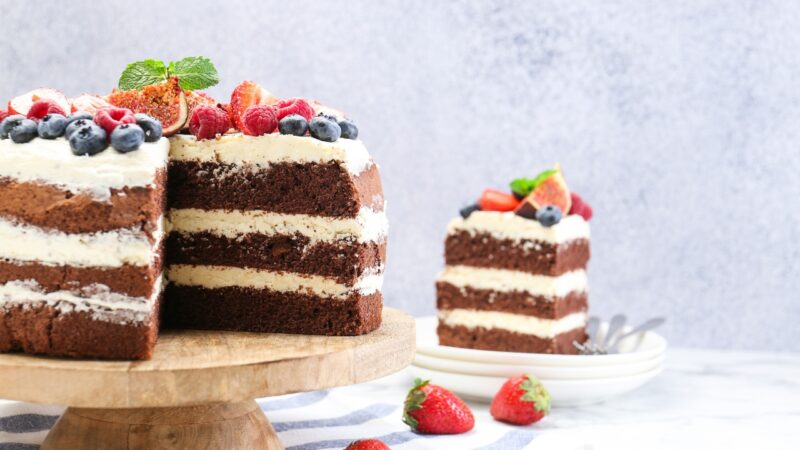
Cake style
Best soak idea
Flavor effect
Classic tiramisu
Strong, smooth coffee
Adds structure, aroma, and contrast
Chocolate layer cake
Coffee or mocha soak
Deepens cocoa flavor
Vanilla sponge cake
Light coffee, vanilla syrup, or milk-based soak
Adds softness and a gentle aroma
Hazelnut cake
Coffee with a touch of liqueur or nut syrup
Builds warmth and depth
Caramel cake
Coffee or espresso-style soak
Balances sweetness
Mascarpone layer cake
Coffee or cocoa-coffee soak
Keeps the dessert elegant rather than heavy
The Fail-Proof Ingredient
How to Build a Better Aromatic Base
A strong soak starts with a clean brew. It should be concentrated, but never burnt. Over-extracted coffee can bring bitterness that feels dry and unpleasant. Under-extracted coffee tastes thin and acidic.
Texture Is Part of The Flavor
A Masterpiece to Share